In recent years, the way we serve food at events has changed dramatically. Rather than just providing your guests with something to eat, caterers and event planners are using the act of eating itself as a way to shape the overall ambiance of the event. Interactive food stations provide both nourishment and a way for guests to interact with each other in a relaxed environment, all without the constraints of traditional “sit-down” dining.
Via Pexels
Encouraging Social Interaction Naturally
Unlike traditional plated dinners, which usually signify a time-out from the activities of the evening, interactive food stations are designed to allow guests to move about freely and dine at their leisure. This creates clear segments in the event timeline. In contrast, interactive food stations support free movement and allow people to choose when and how they eat. The result is a continuous, dynamic experience where eating and socializing happen in tandem.
Guests who visit a station will naturally start to circulate around the space and meet new people while enjoying the food and drink offerings. It is this type of movement that keeps the energy level in the room high, especially at longer receptions.
Serving Large Groups Efficiently
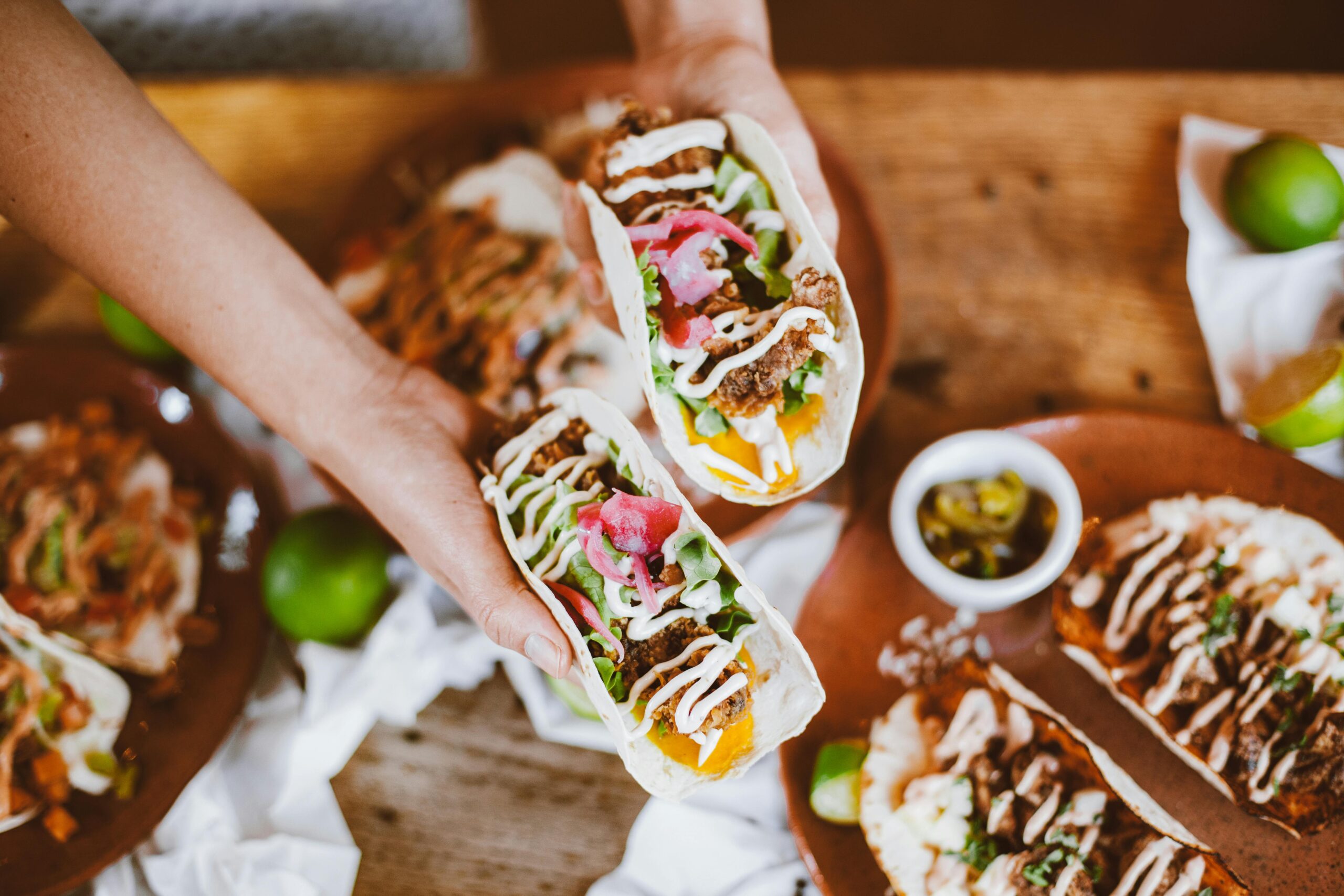
While creating a fun and inviting atmosphere is important, there is another key component to hosting a successful large-scale reception: managing the logistics of serving the group. An interactive food station format, such as a Taco Bar, allows guests to get their food without having to wait for an entire table to be served, which is essential for maximizing efficiency with a large number of guests. Since popular items can be replenished continually, and since less popular items do not go to waste, this style of service provides a great solution for busy crowds. Find the best catering taco bar for your wedding’s needs and guests.
To further minimize congestion, consider setting up multiple identical stations, e.g., two taco bars or two slider stations, as opposed to providing a large number of different stations. If all of your guests are clamoring for the same thing, having more access points to get it will ensure that the lines remain manageable.
Minimizing Lines While Still Maintaining Service Flow
Of course, some degree of line formation is inevitable, but they do not necessarily have to disrupt the flow of the evening. Using a few simple tools will help you manage the lines:
- Space your stations far enough apart so that guests are not crowding into a single area.
- Use stanchions or place markers if necessary; however, do not set up barriers that create a sense of transactionalism, making the event feel impersonal.
- Assign staff to monitor and facilitate the flow of guests through the stations. Train the staff to answer any questions guests may have, quickly and concisely.
Late-Night Food Rounds
Late-night food rounds are an excellent opportunity to reset the mood of the evening. Serving comfort foods after dancing or speeches end can provide a boost to the event. Unlike early-evening stations, late-night food rounds do not require the same level of formality. A simple cart or tray service will refresh your guests’ palates and not slow down the pace of the evening.
Concluding Thoughts
Interactive food stations convert meals into experiences. By supporting flow, socialization, and variety while avoiding the formality of plated service, they offer a flexible and exciting way to incorporate food into the overall design of your event. Proper placement, pacing, and service strategies will allow food to become an integral element of your event design rather than just a necessary part of it.