Once upon a time, everyone knew what to expect when it came to planning a wedding.
The bad news is that those days are long past.
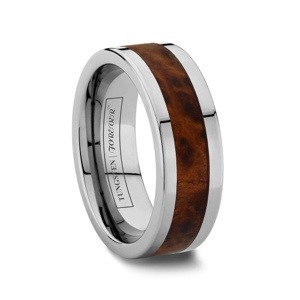
Not only have wedding fashions changed, but so have traditional wedding roles. Along with men moving to more rugged looking rings such as Tungsten wooden wedding rings that would suffice any outdoors enthusiast, women are learning to ditch the big wedding and opt for a non-traditional destination wedding. With these changes comes the confusion on what traditions should be kept and which can be done without. The good news is that couples and their families are no longer bound to keep up with traditional wedding roles.
Who Pays for Everything
The traditional role for the father of the bride was that of an ATM machine. He paid for the whole thing, except for the wedding rehearsal dinner. That’s traditionally covered by the groom’s family. The groom used to be expected to pay for the honeymoon, but often the bride’s family paid for it. However, with the skyrocketing costs of modern weddings, there are very few fathers or groom’s family members who can afford to pay for any part of the wedding. The couple has taken on the role of paying for everything, leaving the father of the bride and the groom’s family with other things to worry about.
The Ring Boy and Flower Girl
These roles are changing because many families are deficient in cute small children to play the parts of the ring boy and the flower girl. Many couples have already lived together for some time and instead of small human children, they have pets. A well-trained dog that likes people is often more reliable than a small child.
Before training a pet to hold the flower basket or carry the rings, make sure the wedding facility allows dogs. Some couples even opt to eliminate the ring boy and the flower girl altogether.
The Tiered Wedding Cake
Wedding cakes have also seen major changes. For many couples, a many tiered cake is just out of the question because of the problem of transporting such a large and expensive cake. Some couples instead arrange gourmet cupcakes in a tiered display stand to act in place of the traditional cake. This helps cut down serving time, but also gives the guests a variety of flavors to choose from. It’s best to leave cards in front of the cake describing the flavors and mentioning if they contain nuts or wheat for the benefit of guests with specific needs.
The Best Man
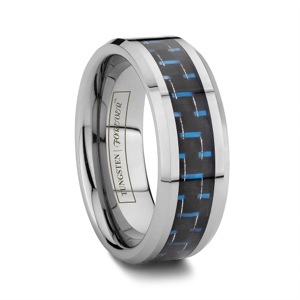
The best man used to be saddled with numerous duties instead of wearing a rented tux and making a speech during the reception. He used to also have to supervise the ring boy, carry the marriage certificate, help the groom pack for the honeymoon, make sure all men’s boutonnieres are on and help the groom get changed into his tux before the wedding and out of his tux after the reception. He also was traditionally responsible for returning a rented tux when the groom is on his honeymoon. In modern times, the best man is only required to show up, make a speech and to throw a stag party for the groom the night before the wedding. The groom should still give the best man a gift such as black carbon fiber Tungsten rings.
The Maid of Honor
Just as the best man’s duties have shrunk over time, so have the traditional duties of a maid of honor. Now, she is only responsible for showing up, holding the wedding train (if necessary) and giving a shoulder for the bride to cry on when it all becomes too much to handle.
Maids of honor used to have to be present at the signing of the marriage license, have at least one dance with the best man, protect the groom’s ring and act as a messenger for the bride. They don’t have to be a maid anymore. A man of honor is perfectly capable of giving emotional support to a bride. It is still traditional to give the person of honor a special gift from the bride in appreciation for their help during such a stressful time.
The Wedding Dress
Forget the bride and groom – for most of the guests, the wedding dress will be the star of the show. It’s often kept as a dramatic surprise from the guests, but not the bride’s family. Traditionally, it was also kept as a surprise to the groom until the bride’s entrance into the church, but this is impractical today.
Traditionally, the wedding dress was specially made for the specific bride, worn on the wedding day and mothballed for the rest of the bride’s life. If the dress survived the decades, it would be passed down to any daughters that the marriage might produce. Now the wedding dress is often bought used or even rented. It’s just too expensive to be used just once. Those that do sometimes hold a special “trash the dress” photography session where the dress is destroyed in artistically done shots and poses.